


It is completely normal for couples and sexual partners to want sex at different times or with different frequency. This is known as sexual desire discrepancy, also known as “mismatched libidos”.
Desire discrepancy does not automatically mean one partner has an abnormally high libido or the other has a problematically low one. There is no universally correct amount of sex to want, and desire naturally changes with stress, sleep, hormones, medication, illness, parenthood, relationship dynamics and life stage.
The difficulty often comes not from the difference itself, but from the meaning each person attaches to it.
The higher-desire partner may feel unwanted, unattractive or disconnected. The lower-desire partner may feel defective, guilty or worried that affection will create an expectation of sex. This can develop into a painful cycle: the more one person pursues, the more pressured the other feels… and the more they withdraw, the more rejected their partner feels.
Make it “us versus the pattern”
Rather than identifying one partner as the problem, treat desire discrepancy as something you are experiencing together.
Avoid beginning the conversation immediately after an initiation has been declined or while you are already in bed. Choose a neutral moment and lead with reassurance:
“I love you and I care about our intimate relationship. I don’t think either of us is doing anything wrong, but I’d like us to understand what has been happening between us.”
This makes the goal collaboration, not convincing the lower-desire partner to have more sex or asking the higher-desire partner to stop wanting it.
Scripts for the higher-desire partner
Expressing a desire for connection is valid. The key is sharing your feelings without making your partner responsible for resolving them through sex.
Instead of: “You never want me anymore.”
Try:
“When we haven’t been physically close for a while, I notice I feel disconnected and sometimes insecure. I don’t want you to have sex when you don’t want to. Can we talk about other ways we could create closeness?”
If an initiation is declined, try:
“Thank you for being honest. I’m disappointed because I was looking forward to connecting, but I respect your no. Would you be comfortable cuddling, or would you prefer some space?”
This acknowledges the disappointment without turning it into guilt, withdrawal or punishment.
Scripts for the lower-desire partner
Declining sex does not mean rejecting your partner as a person. Offering reassurance can help communicate that difference clearly:
“I love you and I’m still attracted to you. I’m not in the mood for sex tonight, but that isn’t a rejection of you.”
If you are interested in connection but unsure about sex, try:
“I’m open to kissing or a massage, but I don’t want it to automatically progress to intercourse. Would that feel okay for you?”
It can also help to identify what is getting in the way:
“I’ve noticed I struggle to access desire when I’m exhausted and still thinking about everything I need to do. I’d like us to look at what might help me feel more present.”
Remember that desire may be responsive
Some people experience spontaneous desire—they think about sex and then seek it out. Others experience responsive desire, meaning interest develops after pleasurable, consensual touch has begun.
Responsive desire does not mean agreeing to unwanted sex in the hope that you eventually enjoy it. It means you may sometimes feel genuinely willing to explore intimacy without already feeling strongly aroused, knowing that you can stop at any point.
A useful script is:
“I’m not feeling spontaneous desire, but I’m open to seeing whether some pressure-free touch feels good. Can we check in again in ten minutes?”
Ilo’s Massage Candle or Body Oil can help create this kind of slower sensory experience, provided both partners agree that massage does not create an obligation for sex.
Build a broader intimacy menu
If every kiss is interpreted as an invitation to intercourse, the lower-desire partner may begin avoiding all affection. Together, create a menu of intimate options, from holding hands and massage to mutual masturbation and partnered sex.
You might ask:
“What kind of connection feels available tonight—affection, sensual touch or sexual touch?”
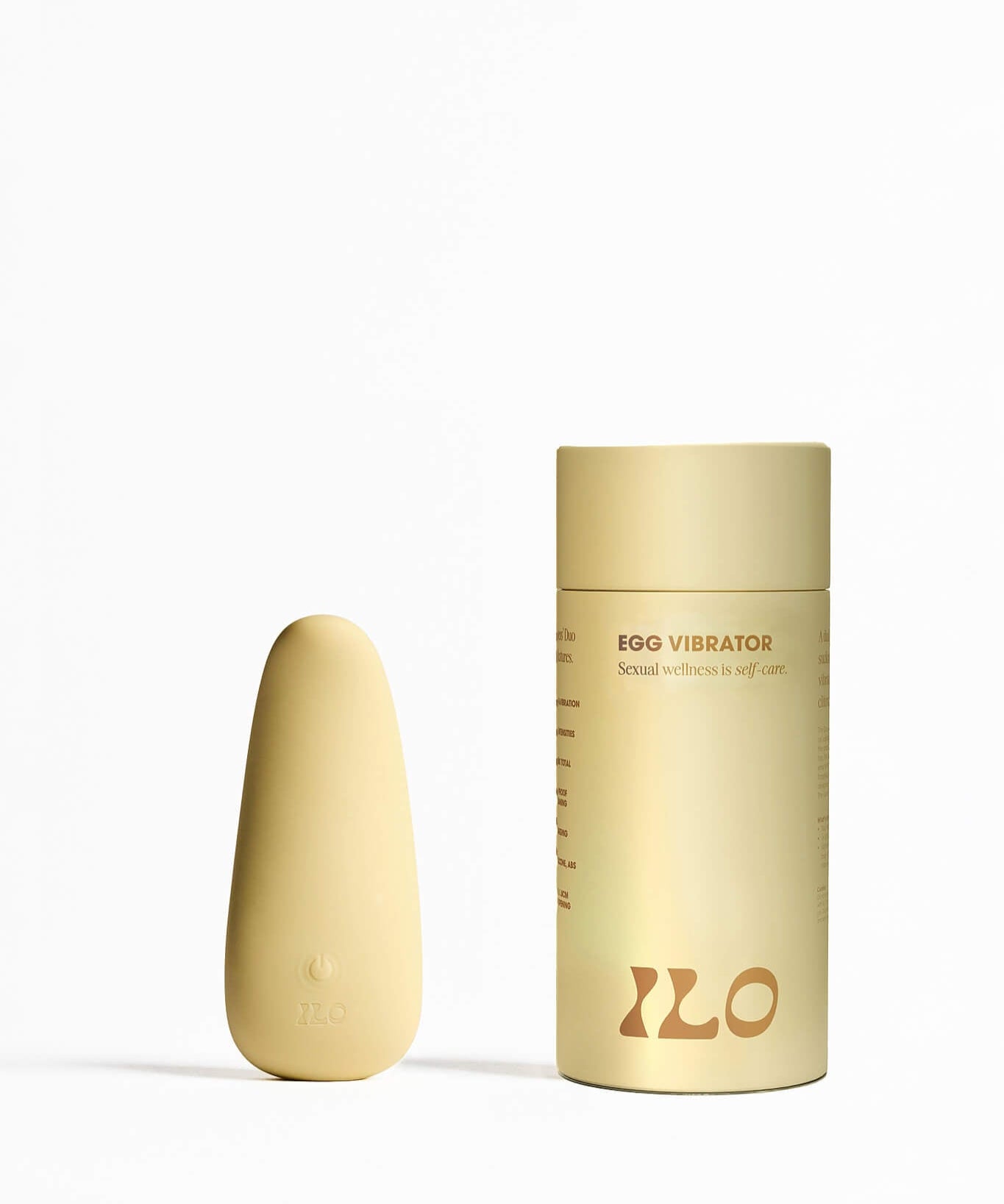
On another occasion, exploring a vibrator such as Ilo’s Egg Vibe may create novelty and pleasure without placing all the focus on penetration or orgasm.
Aim for mutual responsiveness—not obligation
Research suggests that caring about a partner’s sexual needs can support sexual and relationship satisfaction—but only when this responsiveness does not require abandoning your own boundaries. Sex motivated by genuine closeness and mutual pleasure feels very different from sex motivated by guilt, fear or pressure.
Closing a desire gap is not necessarily about meeting exactly in the middle. It is about creating a relationship in which one partner can express desire without shame and the other can say no without fear, while both remain curious about the forms of intimacy that feel genuinely good.
If libido differences are creating persistent distress, conflict or avoidance, support from a sexologist, couples therapist or healthcare practitioner can help explore physical, psychological and relational contributors without blaming either partner.
Written by Sexologist and Naturopath Sashi Kreutzer
References
-
Basson, R. (2000). The female sexual response: A different model. Journal of Sex & Marital Therapy, 26(1), 51–65. https://doi.org/10.1080/009262300278641
-
Muise, A., Impett, E. A., Kogan, A., & Desmarais, S. (2013). Keeping the spark alive: Being motivated to meet a partner’s sexual needs sustains sexual desire in long-term romantic relationships. Social Psychological and Personality Science, 4(3), 267–273. https://doi.org/10.1177/1948550612457185
-
Mark, K. P. (2015). Sexual desire discrepancy. Current Sexual Health Reports, 7, 198–202. https://doi.org/10.1007/s11930-015-0057-7
-
Vowels, L. M., & Mark, K. P. (2020). Strategies for mitigating sexual desire discrepancy in relationships. Archives of Sexual Behavior, 49, 1017–1028. https://doi.org/10.1007/s10508-020-01640-y