


Trying to conceive can begin as an exciting, intimate decision. But once sex becomes organised around ovulation tests, fertile windows and calendar reminders, it can start to feel less like connection and more like another task that needs to be completed.
This shift is incredibly common and so many couples experience it! It does not mean you are less attracted to your partner or that your relationship is failing. It often reflects what happens when something previously associated with pleasure becomes attached to pressure, uncertainty and a desired outcome.
When sex becomes “timed intercourse”
The fertile window is generally defined as the six-day period ending on the day of ovulation. Fertility guidance commonly recommends intercourse every one to two days during this window to maximise the chance of conception. However, intercourse two to three times per week produces nearly equivalent results for many couples.
Knowing this can help relieve some of the pressure to identify and act upon one “perfect” moment.
Although tracking ovulation can be useful, timed intercourse may create a dynamic in which sex feels compulsory. Instead of responding to desire, partners may feel they have to perform because the app says today is the day. There may also be an unspoken fear that declining sex means missing the opportunity, or letting your partner down.
Research has associated timed intercourse with greater stress and sexual difficulties, including reduced desire, arousal concerns, orgasm difficulties and erectile or ejaculation concerns. The longer conception takes, the easier it can become for disappointment from one cycle to follow a couple into the next.
Why spontaneity and desire can disappear
Desire rarely thrives under pressure.
When sex becomes goal-oriented, attention shifts away from pleasure and towards performance: Are we doing this at the right time? Will it work this month? Am I taking too long? What if I cannot become aroused?
The body may technically be present while the mind is already thinking about pregnancy tests, symptoms and potential outcomes. Sex can become repetitive, rushed and focused on ejaculation rather than mutual pleasure.
There can also be a physical impact. Stress may make it more difficult to feel present, become aroused or maintain an erection. Reduced arousal can contribute to vaginal dryness or discomfort, reinforcing the feeling that sex is something to “get through”.
How to protect intimacy while trying to conceive
Separate conception sex from connection. Not every intimate experience needs to be capable of producing a pregnancy. Create time for kissing, massage, oral pleasure, mutual masturbation or simply lying together without an expectation of intercourse.
Ilo’s Massage Candle can help turn non-fertile-window intimacy into a slow sensory ritual, reminding you that touch can exist purely for comfort and connection.
Keep some intimacy off the calendar. You may need to schedule intercourse during the fertile window, but try protecting other moments from tracking and fertility conversations. A spontaneous kiss or playful touch does not need to become “baby-making sex”.
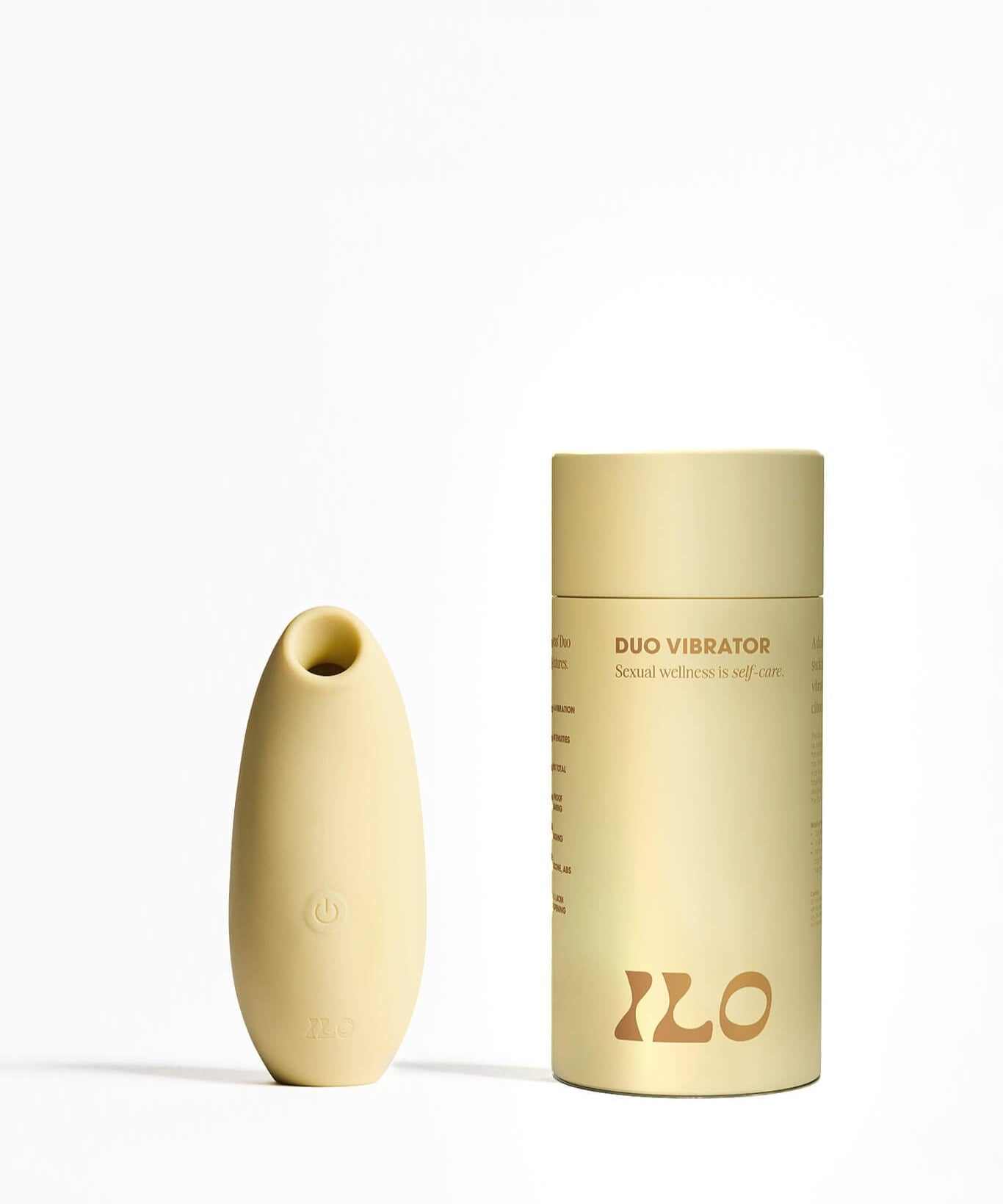
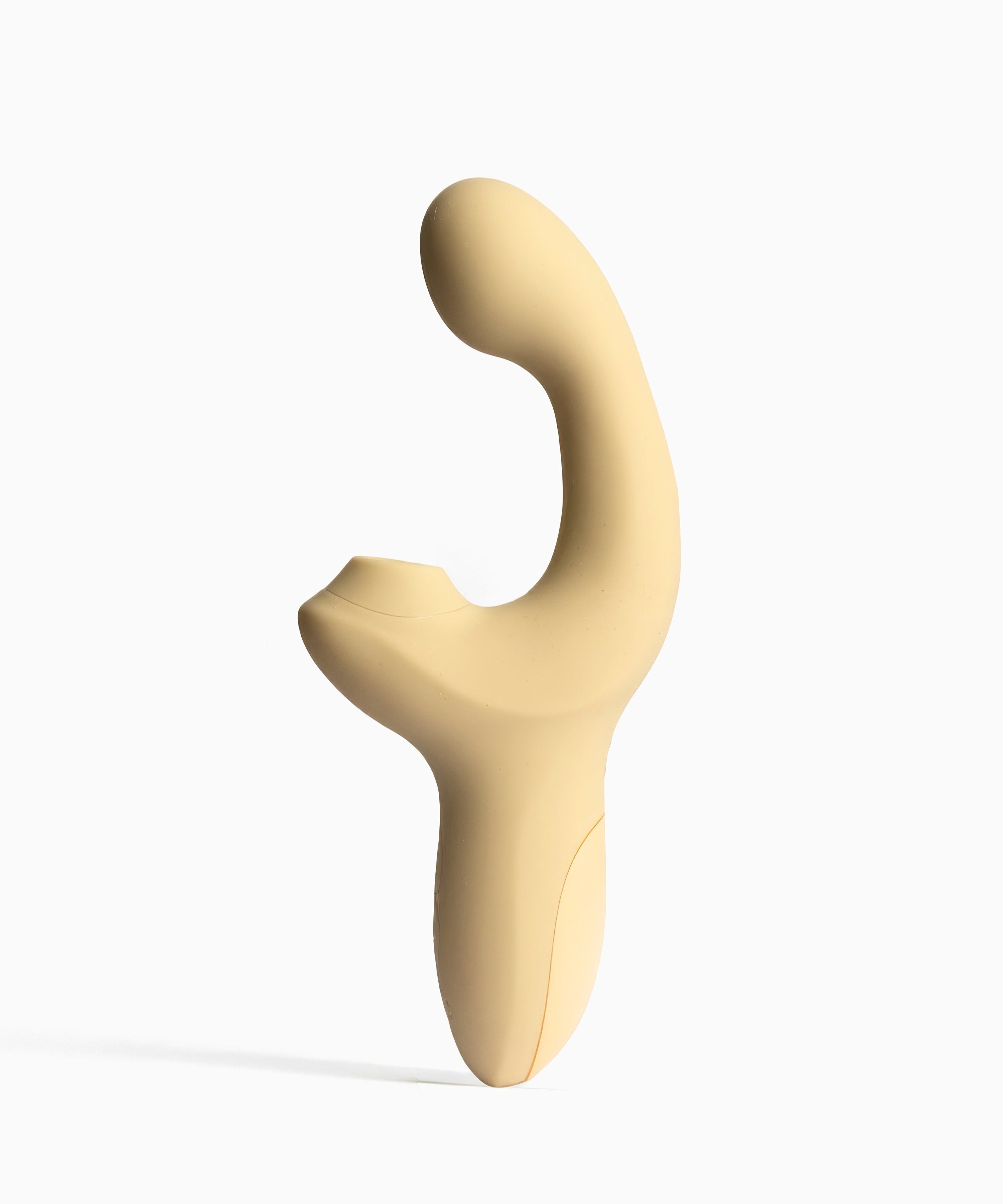
Broaden your definition of sex. Penetration and ejaculation may be relevant to conception, but they do not need to define your entire sexual relationship. Exploring a vibrator such as Ilo’s Duo Vibe can help place pleasure and curiosity back at the centre of intimacy, either alone or together.
Share the mental load. Ovulation tracking, appointments, supplements and symptom monitoring can easily become one person’s responsibility. Discuss how you can divide the practical and emotional labour so one partner does not feel like the fertility project manager.
Make room for mixed emotions. Hope, grief, frustration, jealousy, excitement and exhaustion can all coexist. Try asking, “Do you want comfort, solutions or space today?” This creates an opportunity for support without assuming what your partner needs.
Give each other permission to say no. Consent still matters during the fertile window. If one partner feels overwhelmed, discuss alternative timing or speak with your fertility practitioner. Missing one planned encounter is not a relationship failure.
A note about lubricants
Some commonly available lubricants can reduce sperm movement or survival in laboratory settings, although real-world studies have not consistently shown reduced pregnancy rates among people who use them. If lubricant is needed during intercourse intended for conception, choose one specifically labelled as fertility- or sperm-friendly, or ask your fertility practitioner for guidance. Products used comfortably at other times are not automatically suitable for conception attempts.
Your relationship is more than the outcome
It is natural for pregnancy to become a major focus, particularly when the journey lasts longer than expected. But protecting your relationship does not mean pretending the process is easy. It means making space for the two of you to remain partners, not only potential parents.
Pleasure does not need to be perfectly spontaneous, and conception sex does not need to be wildly romantic every time. The aim is balance: creating enough structure to support your fertility goals while preserving touch, communication and intimacy that ask nothing of you in return.
If trying to conceive is significantly affecting your mental health, sexual wellbeing or relationship, support from a fertility-informed counsellor, sexologist or healthcare practitioner can help. Research suggests that counselling interventions may improve both marital and sexual satisfaction for couples experiencing infertility.
Written by Sexologist and Naturopath Sashi Kreutzer
References
-
Practice Committee of the American Society for Reproductive Medicine. (2022). Optimising natural fertility: A committee opinion. Fertility and Sterility, 117(1), 53–63. https://doi.org/10.1016/j.fertnstert.2021.10.007
-
Ledesma, B. R., et al. (2023). The impact of ovulation calculators on the stress levels of couples trying to conceive and its relationship with sexual dysfunction. Cureus, 15(8), e43032. https://doi.org/10.7759/cureus.43032
-
Dasgupta, S., et al. (2024). The negative impact of timed intercourse in infertile couples. Reproductive Sciences, 31, 860–868. https://doi.org/10.1177/20514158221113164
-
Alirezaei, S., Taghipour, A., & Latifnejad Roudsari, R. (2022). The effect of infertility counselling interventions on marital and sexual satisfaction of infertile couples: A systematic review and meta-analysis. International Journal of Reproductive BioMedicine, 20(10), 795–806. https://doi.org/10.18502/ijrm.v20i10.12264