


Dry spells are a normal and incredibly common part of many people’s sex lives. They can happen because of stress, illness, hormonal changes, parenthood, relationship difficulties, pain, medication, body-image concerns… or simply because life has become too busy.
But something many people find surprising is that the longer a dry spell continues, the less important sex may begin to feel. You might stop thinking about it, initiating it or even missing it. This doesn’t necessarily mean that your libido has disappeared, that the attraction to a partner has faded, or that something is wrong with your relationship. Often, it reflects the way sexual desire actually works.
Desire doesn’t always arrive spontaneously
We are often taught that desire should appear out of nowhere: that you should suddenly feel “in the mood” and then initiate sex. This is known as spontaneous desire, but it is only one way of experiencing desire.
For many people, particularly women and people within long-term relationships, desire is responsive. This means it emerges after something pleasurable or connecting has already begun, such as affectionate touch, kissing, flirting or feeling emotionally close.
When sexual and sensual experiences become less frequent, there are naturally fewer opportunities for responsive desire to awaken. Sex moves further out of your awareness, your brain stops anticipating it as part of your routine, and other needs begin competing for your attention. In this sense, it isn’t necessarily that you don’t want sex; your desire may simply have fewer opportunities to be activated.
Your brain remembers the experience, not just the act
Our motivation to repeat an experience is influenced by how rewarding, safe and enjoyable it feels. Research into long-term desire suggests that emotional intimacy, sexual communication, novelty and satisfaction all play a role in maintaining sexual interest.
If sex has recently felt rushed, uncomfortable, pressured or disconnected, your nervous system may begin associating it with effort rather than pleasure. Avoidance can then feel easier, creating a cycle:
Less intimacy leads to fewer positive sexual cues, which leads to less responsive desire, which makes intimacy even less likely.
This is not a personal failure. It is often a protective or adaptive response, and it can be changed without forcing yourself to have sex when you don’t want to.
How to gently move out of a dry spell
The goal isn’t to jump straight back into frequent sex. Instead, focus on rebuilding the conditions in which desire is more likely to emerge.
1. Take intercourse off the agenda
Begin with affection, kissing, massage or lying together without expecting the interaction to lead anywhere. Removing the pressure to “perform” can help your body feel safer and more receptive.
A sensory ritual can make this feel intentional rather than awkward. You might use Ilo’s Body Oil or Massage Candle for a slow massage, with an agreement that neither person owes the other sex afterwards.
2. Create opportunities rather than waiting for desire
Scheduling intimacy may not sound romantic, but it doesn’t mean scheduling sex. You are simply prioritising time for connection and allowing desire the chance to appear. If it doesn’t, the time can still be used for closeness and non-sexual intimacy (think: cuddling on the couch, taking a bath or shower together, having a phone-free night in).
3. Introduce something different
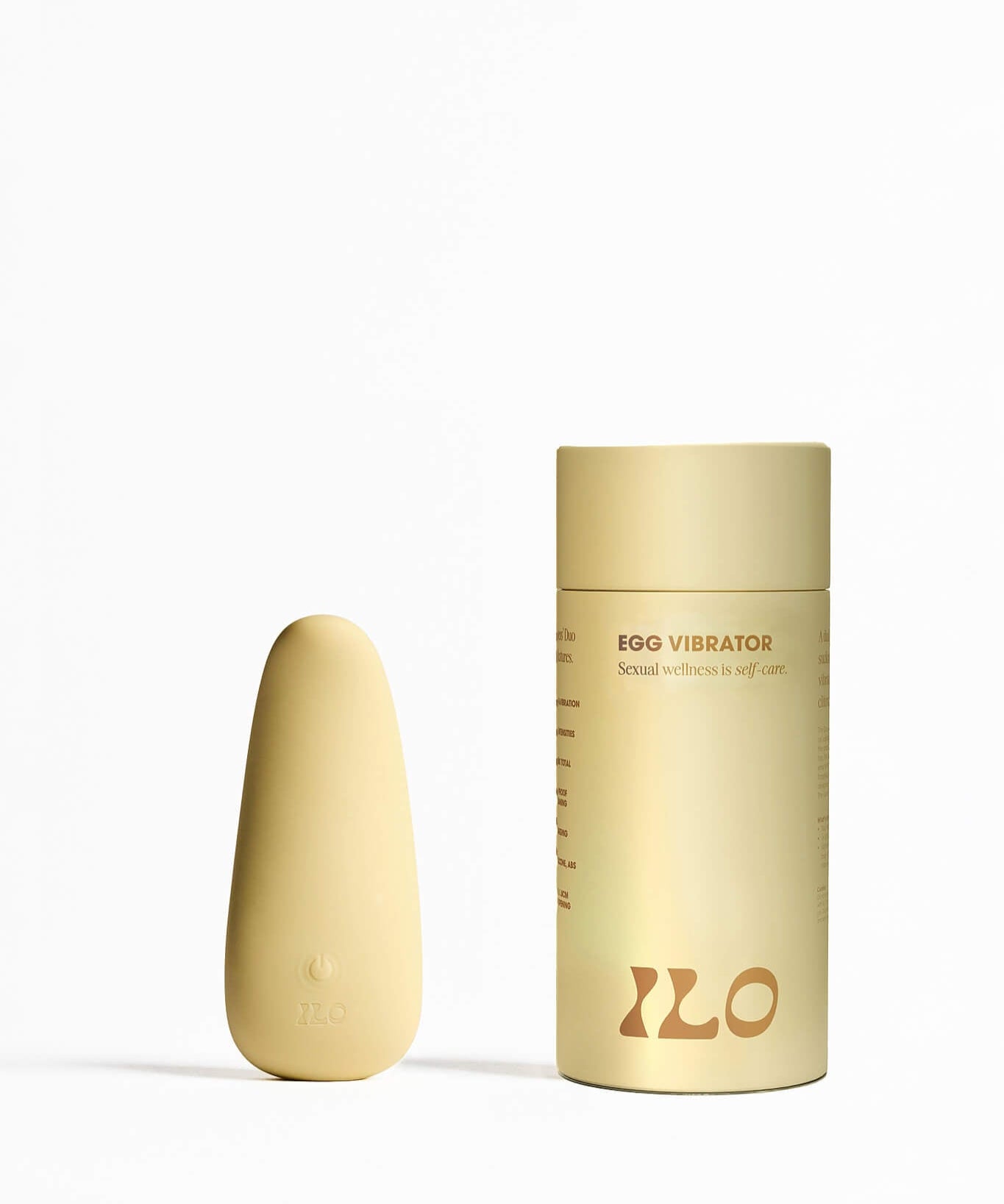
Novelty can help bring attention back to your sexual self. This might mean changing the environment, sharing a fantasy, exploring solo pleasure or trying a new sensation together. Ilo’s Egg Vibrator may offer a playful way to explore without making penetrative sex the sole focus.
4. Practice being present
Stress, distraction and self-monitoring can make it difficult to notice pleasurable sensations. Mindfulness-based interventions have been shown to support sexual desire, arousal and reduce sexual distress for some people. Try slowing down, breathing deeply and noticing temperature, pressure and touch without judging what your body “should” be doing.
5. Talk about what has changed
Approach the conversation with curiosity rather than blame: “I’ve noticed we haven’t been physically close lately. How has intimacy been feeling for you?”
Dry spells do not always need fixing. But if you want to reconnect, remember that you don’t have to wait until desire magically returns. Start with safety, pleasure and connection, and allow desire to meet you there.
If a change in desire is persistent, distressing or accompanied by pain, vaginal dryness, erectile changes, fatigue, low mood or other symptoms, consider speaking with a qualified healthcare practitioner to explore possible physical, psychological and relational contributors. Remember, sexual wellness is self-care, and you do not have to navigate this alone.
References
-
Basson, R. (2000). The female sexual response: A different model. Journal of Sex & Marital Therapy, 26(1), 51–65. https://doi.org/10.1080/009262300278641
-
Mark, K. P., & Lasslo, J. A. (2018). Maintaining sexual desire in long-term relationships: A systematic review and conceptual model. The Journal of Sex Research, 55(4–5), 563–581. https://doi.org/10.1080/00224499.2018.1437592
-
Brotto, L. A., Zdaniuk, B., Chivers, M. L., et al. (2021). A randomized trial comparing group mindfulness-based cognitive therapy with group supportive sex education and therapy for the treatment of female sexual interest/arousal disorder. Journal of Consulting and Clinical Psychology, 89(7), 626–639. https://doi.org/10.1037/ccp0000661
Written by Sexologist and Naturopath Sashi Kreutzer