


Sex should be a mutually pleasurable experience, yet research consistently shows that orgasms are not being experienced equally in heterosexual relationships.
This difference is known as the orgasm gap: the disparity between how frequently men and women orgasm during partnered sex.
In a large study involving more than 52,000 adults, 95% of heterosexual men reported that they usually or always orgasmed during sexual intimacy, compared to only 65% of heterosexual women. Interestingly, lesbian women reported a much higher orgasm rate of 86%.
This difference is important because it suggests that female anatomy is not the problem. Instead, the sexual activities, expectations and cultural scripts surrounding heterosexual sex appear to play a significant role.
We have been taught a very limited definition of sex
The traditional heterosexual sexual script tends to follow a predictable pattern: kissing, brief “foreplay”, penetration and male ejaculation—at which point sex is considered finished.
This script prioritises the type of stimulation most likely to result in male orgasm, whilst treating activities that are more likely to bring women pleasure as optional extras (how incredibly outdated…)
Penetration alone is not the most reliable route to female orgasm. One nationally representative study found that only 18.4% of women said intercourse alone was sufficient for orgasm.
When heterosexual sex centres penetration, but female orgasm commonly relies on clitoral stimulation, the reasons behind the orgasm gap become much more obvious.
Women’s pleasure is often treated as complicated
Another contributor is the belief that women’s orgasms are inherently difficult, unpredictable or time-consuming.
Women may need more time to become fully aroused, but needing adequate time and appropriate stimulation does not make the female body complicated. It simply means that arousal cannot always be rushed.
Many women also receive limited education about their own anatomy. If someone has not had the opportunity to explore what feels good through masturbation, it may be difficult to guide a partner. At the same time, women can feel pressure to protect their partner’s confidence, avoid seeming “demanding” or pretend to orgasm rather than communicate that something is not working.
Over time, this can reinforce sexual routines that prioritise one person’s pleasure.
How can we close the orgasm gap?
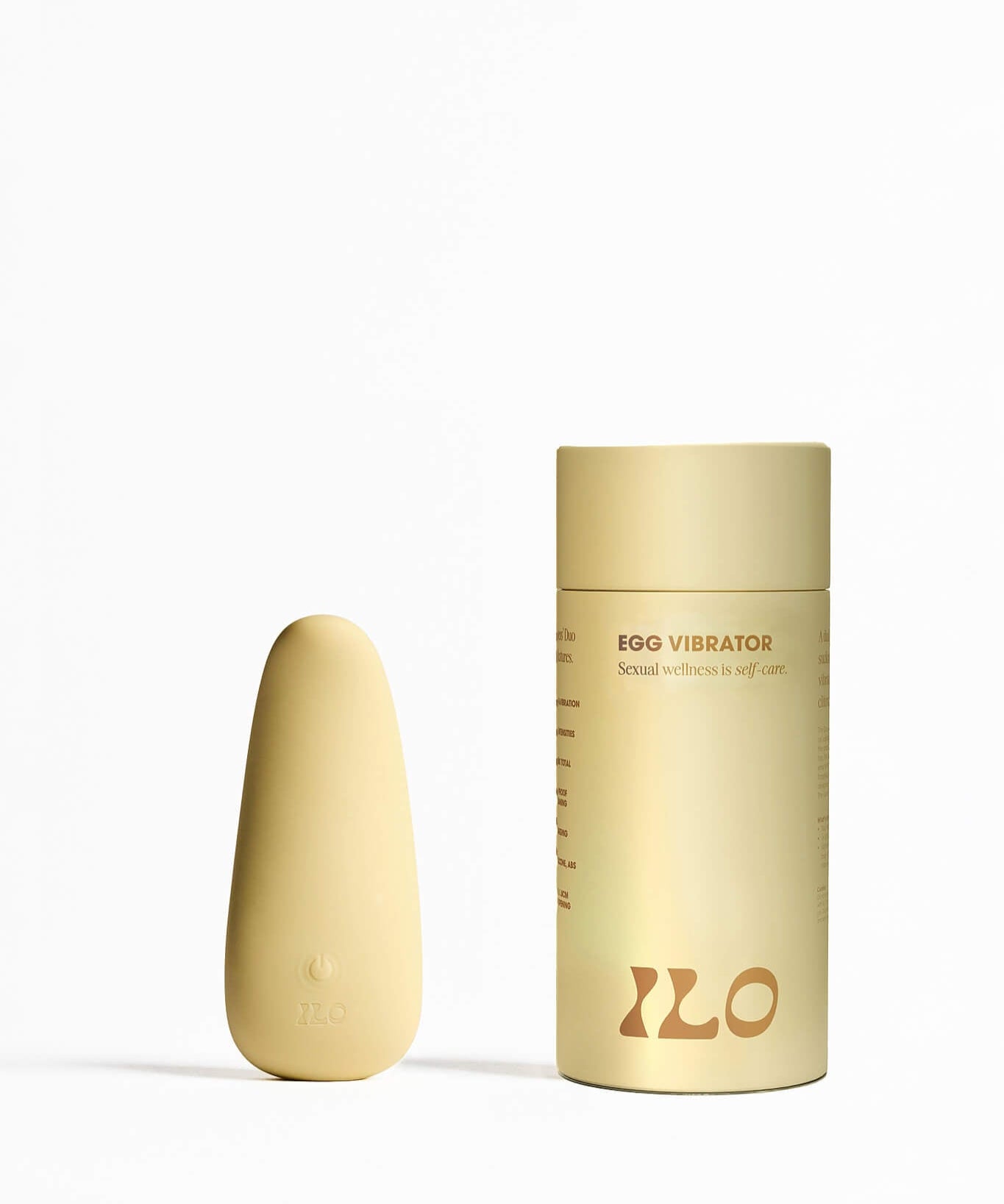
Expand your definition of sex. Oral sex, hands, mutual masturbation, massage, toys and grinding are not simply warm-ups before penetration. It is not a part of sex you quickly rush through in order to get to penetration. They are valid forms of sex and may be more reliable sources of pleasure, so give them the time and stage-presence they deserve!
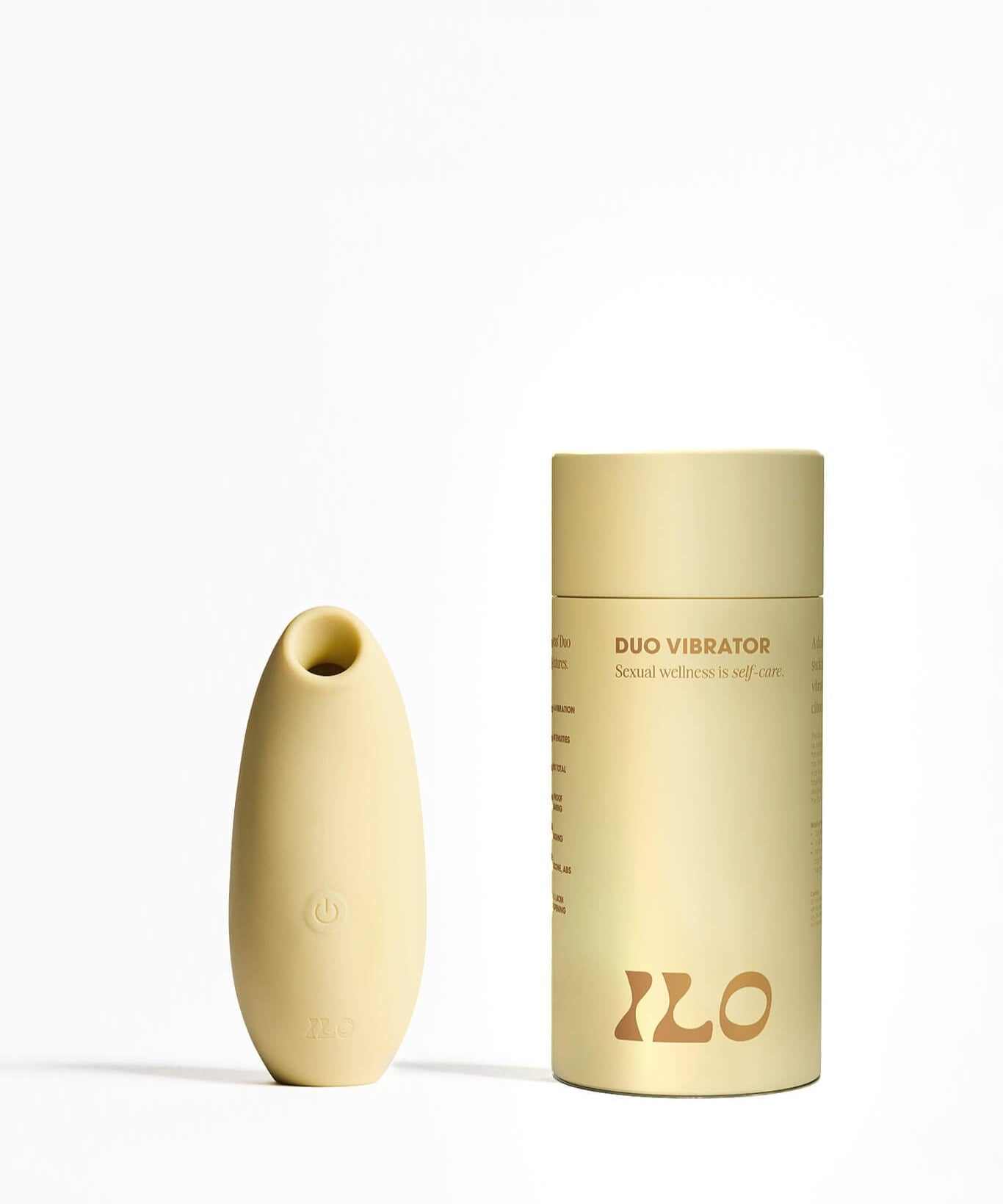
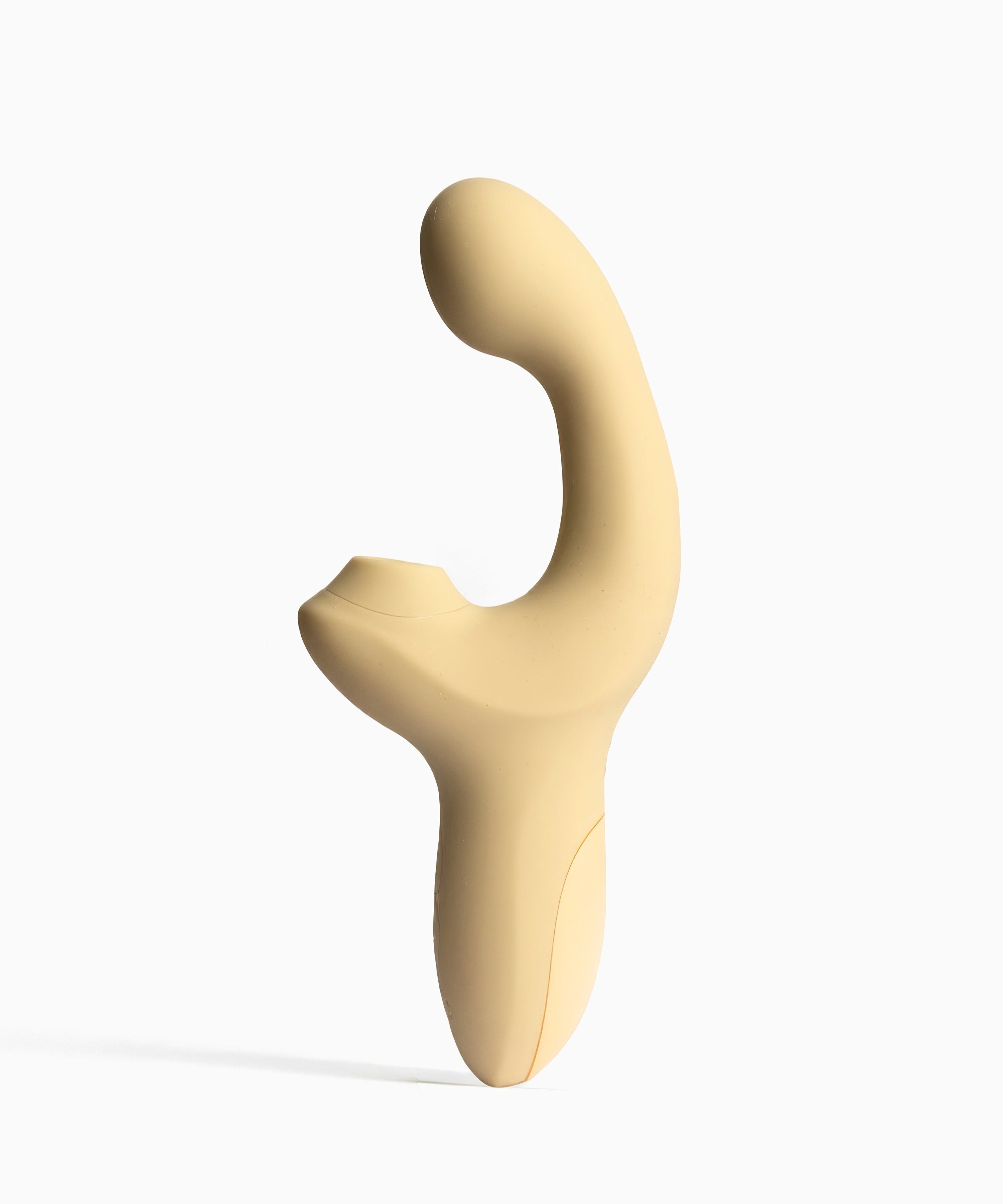
Prioritise the clitoris. Instead of hoping penetration will provide enough indirect stimulation, include the clitoris intentionally. This might involve fingers, oral sex, a particular position or a vibrator such as Ilo’s Duo Vibe, which combines air-pulse and vibration sensations.
Allow more time for arousal. On average, it takes 20-30 minutes for a woman’s body to become fully engorged, lubricated, and ready for penetration, though each individual and each encounter will be different. As I stated before, foreplay is not something to rush through in order to get to the “main event.” Treat foreplay like it too is the main event! Think: passionate kissing, touching, teasing, grinding, hand-play, mouth-play, toys or sensual massage.
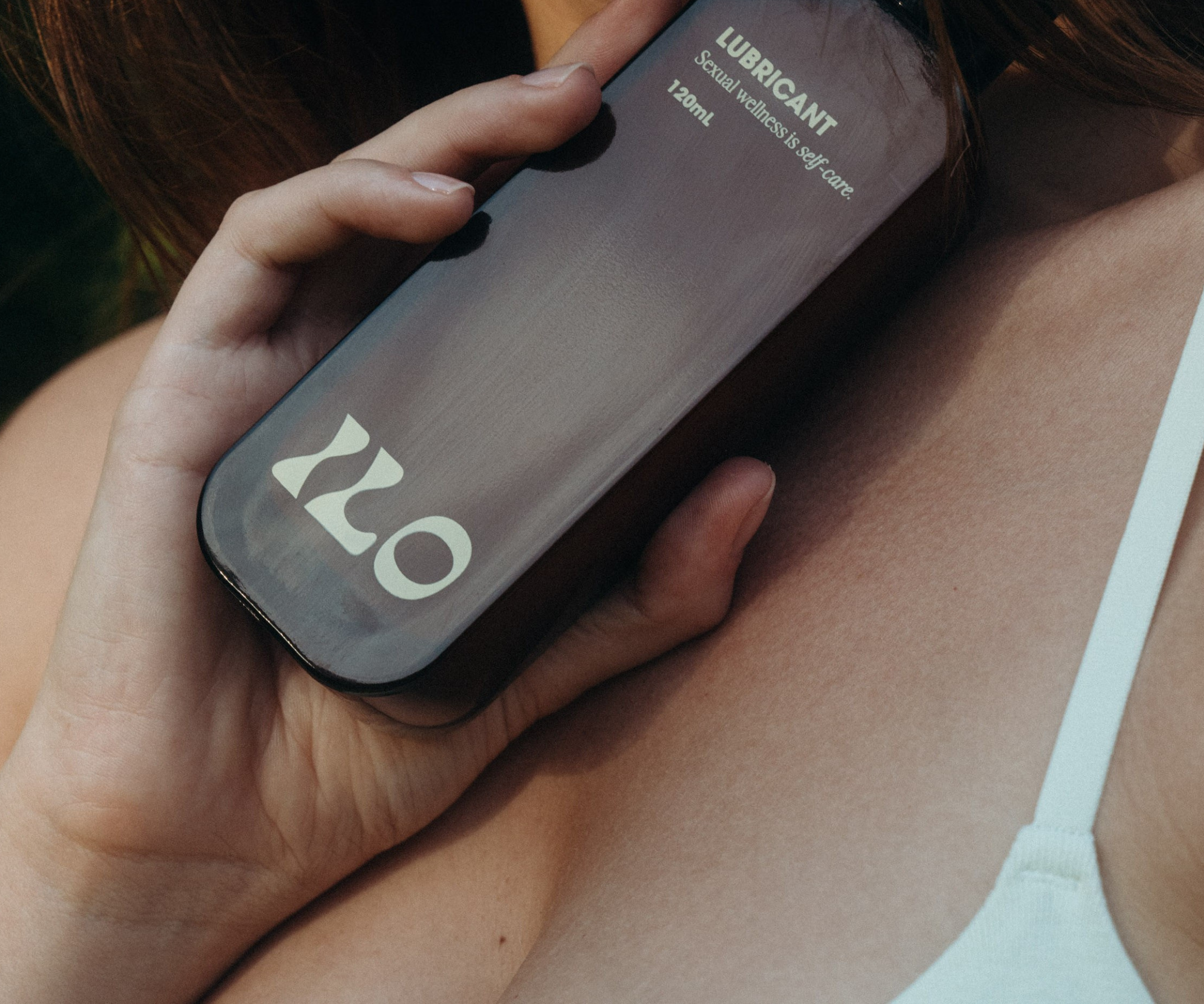
Make pleasure more comfortable. Natural lubrication does not always reflect how mentally aroused someone feels. Research shows that using lubricant can increase the chance of female orgasm by reducing pain and discomfort, and increasing sensitivity and arousal. Ilo’s Water-Based Lubricant can reduce friction and be used with condoms and silicone devices, allowing the exploration of touch without discomfort interrupting the experience.
Communicate specifically. Questions such as “Do you like this?” may only receive a yes-or-no answer. Try asking, “Would you like more or less pressure?” or “Do you enjoy this rhythm or do you want it faster/ slower?” Women can also guide their partner’s hand or demonstrate what works during solo touch.
Continue after one partner orgasms. Male ejaculation does not automatically need to signal the end of sex. If both people want to continue, pleasure can shift towards hands, oral stimulation, toys or other forms of intimacy.
Pleasure equity without performance pressure
Closing the orgasm gap does not mean every sexual experience must involve an orgasm. Making orgasm compulsory can create performance anxiety and turn pleasure into another task.
Instead, pleasure equity means treating each person’s arousal, comfort and enjoyment as equally worthy of time and attention. It means becoming curious about what genuinely feels good rather than following a script that was never designed for everybody.
Women do not need to learn how to orgasm more like men. Heterosexual sex needs to become more inclusive of how women’s pleasure actually works.
If orgasm difficulties are persistent or distressing, consider speaking with a qualified healthcare practitioner. Medication, hormonal changes, pain, pelvic-floor concerns, stress, trauma and relationship dynamics can all affect orgasm and deserve individualised, non-judgemental support. Remember, sexual wellness is self-care, and you do not have to navigate this alone.
References
-
Frederick, D. A., John, H. K. S., Garcia, J. R., & Lloyd, E. A. (2018). Differences in orgasm frequency among gay, lesbian, bisexual, and heterosexual men and women in a U.S. national sample. Archives of Sexual Behavior, 47(1), 273–288. https://doi.org/10.1007/s10508-017-0939-z
-
Herbenick, D., Fu, T. C. J., Arter, J., Sanders, S. A., & Dodge, B. (2018). Women’s experiences with genital touching, sexual pleasure, and orgasm: Results from a U.S. probability sample of women ages 18 to 94. Journal of Sex & Marital Therapy, 44(2), 201–212. https://doi.org/10.1080/0092623X.2017.1346530
-
McElroy, E. E., et al. (2024). The gender gap in partnered orgasm: A scoping review of evidence with implications for health equity. Journal of Sex & Marital Therapy. https://pubmed.ncbi.nlm.nih.gov/39207435/
-
Kennedy, C. E., Yeh, P. T., Li, J., Gonsalves, L., & Narasimhan, M. (2021). Lubricants for the promotion of sexual health and well-being: a systematic review. Sexual and reproductive health matters, 29(3), 2044198. https://doi.org/10.1080/26410397.2022.2044198
Written by Sexologist and Naturopath Sashi Kreutzer